The Birth of Viennese Coffee Culture (1683-1720)
Every coffee culture has its origin myth. Vienna’s is particularly romantic: a hero who saved the city, bags of mysterious brown beans, and a grateful emperor. The truth, as I’ve discovered through years of research, proves even more fascinating than legend.
The Siege of Vienna and Coffee’s Arrival
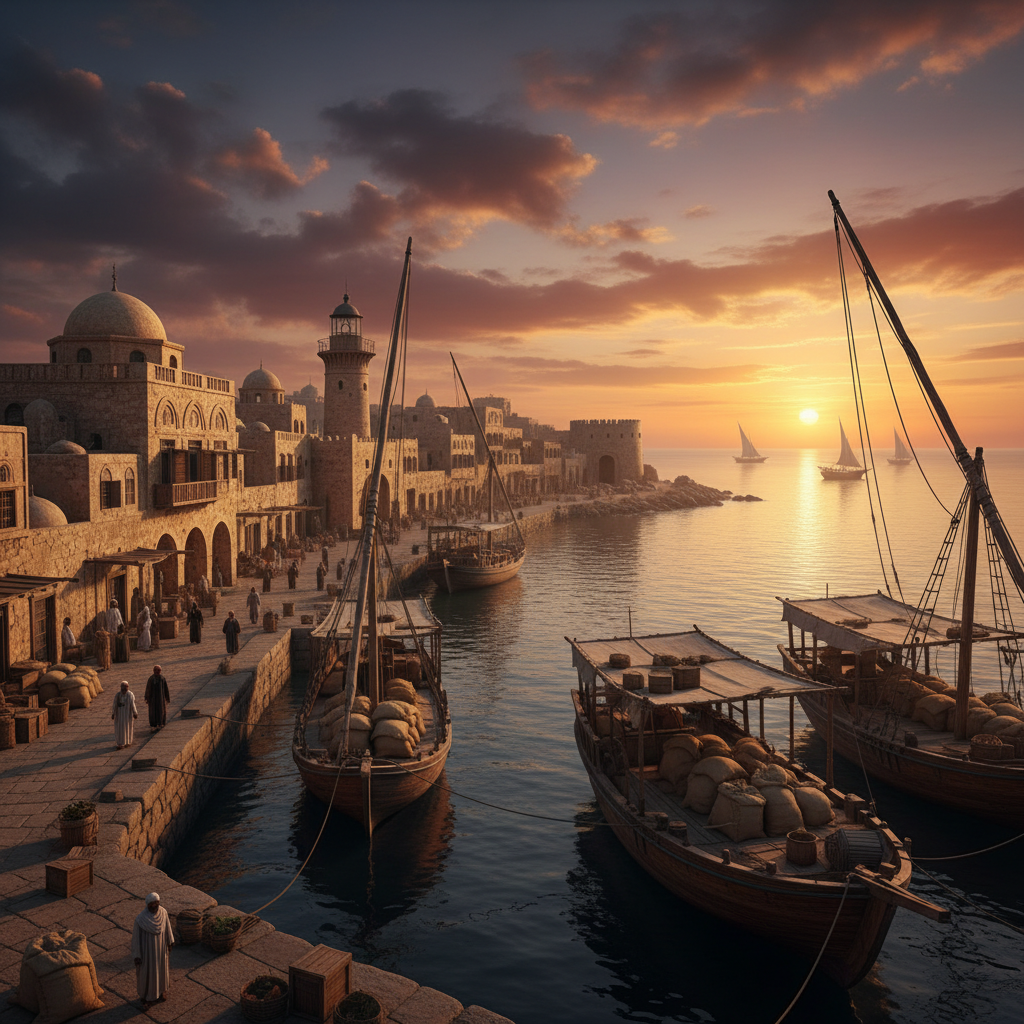
In 1683, Ottoman forces surrounded Vienna in one of history’s most consequential sieges. When Polish King Jan Sobieski finally broke the Turkish lines, fleeing soldiers left behind supplies. Among them: sacks of coffee beans. According to official Vienna cultural history, this moment sparked a transformation that would define the city for centuries.
The legendary version credits Georg Franz Kolschitzky with recognizing those abandoned beans. A Polish-born translator who’d slipped through enemy lines to coordinate the relief, Kolschitzky supposedly requested the coffee sacks as his reward. He then opened Vienna’s first coffeehouse.
Historical records, however, point to a different pioneer: Johannes Theodat (also called Diodato), an Armenian merchant who received the first coffee-selling license in 1685. Does it matter who came first? Perhaps not. What matters is what came next.
The First Coffee Houses Take Root
Early Viennese coffeehouses adapted Ottoman traditions for European tastes. Customers wanted their coffee less bitter, more familiar. Proprietors added milk, cream, and honey. They installed comfortable seating and allowed patrons to linger. These small adjustments planted seeds for something unprecedented.
By 1720, a pivotal innovation arrived. The Kramersches Kaffeehaus began providing newspapers for guests. Suddenly, coffeehouses weren’t just places to drink. They became information hubs. Vienna, already ranking among the best coffee cities in the world, had begun building its coffeehouse identity.
Quick History: Vienna’s coffeehouse tradition spans 340 years, from the Ottoman siege of 1683 to its 2011 UNESCO recognition. That’s longer than the United States has existed as a nation.
The Golden Age: Coffee Houses as Intellectual Salons (1890-1920)
Walk into Café Central today, and you’ll find a bronze statue of a mustachioed man reading a newspaper. That’s Peter Altenberg, a poet who essentially lived there. His mail was delivered to the café. He conducted his entire social and professional life at his regular table. He wasn’t alone in this lifestyle.
The Austro-Hungarian Empire’s Cultural Melting Pot
By 1900, Vienna had swelled to 1.7 million inhabitants. The Austro-Hungarian Empire drew artists, writers, and thinkers from across Central Europe. But here’s what’s often overlooked: most of these brilliant minds lived in cramped, poorly heated apartments. The coffeehouse became their escape. Their extended living room. Their office.
For the price of a single coffee, you gained access to warmth, light, newspapers from across Europe, and the company of fellow intellectuals. I remember my own experience sitting in Café Sperl on a grey November afternoon. The radiators hissed gently, newspapers rustled, and I understood instantly why someone might spend twelve hours in such a place.
Coffee House Literature and the Writers Who Lived There
Café Griensteidl became ground zero for the Jung Wien (Young Vienna) movement around 1890. Hugo von Hofmannsthal, Arthur Schnitzler, and the savage satirist Karl Kraus gathered there daily. They read drafts to each other. They argued about art. They invented Vienna Modernism over cups of melange.
Stefan Zweig wrote about this era with aching nostalgia, describing coffeehouses as “democratic clubs” where anyone could access the world’s newspapers for the price of a cup. His descriptions capture something that still resonates with those who appreciate what makes specialty coffee special: the idea that coffee creates space for something larger than itself.
Artists, Philosophers, and Revolutionary Thinkers
The list of regular patrons reads like a who’s who of early 20th-century history:
- Sigmund Freud: Developed psychoanalytic theory while frequenting Viennese cafés
- Gustav Klimt and Egon Schiele: Discussed art that would scandalize and transform the world
- Leon Trotsky: Played chess at Café Central while planning revolution
- Adolf Hitler: Sold postcards and brooded in various establishments
At Café Central’s storied history, revolutionaries and reactionaries occupied neighboring tables. The coffeehouse made no judgments. It only asked that you order something.
What Made Viennese Coffee Houses Unique
Having visited coffeehouses across Europe and beyond, I can say with certainty: Vienna invented something specific. Not just a place to drink coffee, but a philosophy of hospitality that remains radical even today.
The Philosophy: Time and Space Consumed
Here’s the Viennese coffeehouse’s central idea: “Time and space are consumed, but only the coffee is listed on the bill.”
There is no pressure to leave. Ever. You buy one cup, you stay four hours. Nobody bothers you. Nobody asks if you want the check. The space itself is the product. The coffee is merely your admission ticket.
This philosophy stands in stark contrast to modern café culture. Try sitting for five hours in a contemporary coffee shop without buying something new. The Viennese tradition rejected that transactional approach entirely.
Physical Design and Atmosphere
Step inside any traditional Viennese coffeehouse and you’ll notice specific design elements. According to Austrian coffeehouse traditions, these weren’t accidental:
- Marble tables: Cool to the touch, easy to clean, designed to last centuries
- Thonet chairs: The famous bentwood design, practical and elegant
- Newspaper tables: Dozens of publications on wooden holders, available to all
- Alcoves: Private nooks for intimate conversations or solitary reading
- Historicism interiors: Grand designs that made humble customers feel like aristocrats
The high ceilings and large windows served practical purposes: natural light for reading, ventilation for cigar smoke. But they also created an atmosphere of intellectual possibility. These rooms felt important because they were designed to feel important.
The Viennese Coffee Menu Tradition
You don’t simply order “coffee” in Vienna. The traditional menu includes perhaps 30 variations, each with specific proportions of coffee, milk, and cream. Understanding single-origin coffee profiles helps appreciate why Viennese roasters developed such precise preparations: they were matching technique to bean characteristics long before modern specialty coffee existed.
Traditional Viennese Coffee Drinks:
- Melange: Similar to cappuccino, espresso with steamed milk and foam
- Einspänner: Black coffee in a glass with whipped cream
- Kapuziner: Small black coffee with a few drops of cream
- Brauner: Black coffee served with a small pitcher of cream
And always, without asking, your coffee arrives on a small silver tray with a glass of water. This tradition serves both practical and symbolic purposes. The water cleanses the palate. The ritual signals that you matter, that your time here deserves ceremony.
Crisis and Revival: The 20th Century Transformation
History rarely moves in straight lines. Vienna’s coffeehouse tradition faced near extinction before its eventual celebration as world heritage.
The Italian Espresso Bar Challenge (1950s-1980s)
After World War II, modernity arrived in the form of Italian espresso bars. Quick, efficient, standing-room-only. They represented everything the traditional coffeehouse wasn’t: fast, loud, and cheap.
Young Viennese chose speed. Historic establishments closed. By the 1970s, the grand tradition seemed destined for museums. Café Griensteidl, where Jung Wien had invented modern Austrian literature, sat demolished since 1897. Other institutions limped along with aging clientele.
The 300th Anniversary Revival (1983)
Something shifted during the 1983 celebration of coffee’s 300 years in Vienna. Nostalgia combined with cultural pride. Austrians began recognizing what they’d nearly lost. The remaining historic coffeehouses weren’t just old buildings serving drinks. They embodied an entire philosophy of urban life.
New owners with preservation mindsets acquired struggling establishments. Young Viennese rediscovered the pleasure of unhurried afternoons. Tourism brought international interest. The coffeehouse began its comeback.
UNESCO Recognition and Cultural Heritage Status
In 2011, the Viennese coffeehouse tradition received UNESCO Intangible Cultural Heritage designation. This wasn’t honoring individual buildings. It recognized the entire culture: the rituals, the atmosphere, the philosophy of hospitality.
The designation specifically praised coffeehouses as places “where time and space are consumed, but only the coffee is found on the bill.” It highlighted the democratizing nature of these spaces, where everyone from penniless writers to wealthy industrialists shared the same marble tables.
For Austria, this recognition formalized something Viennese people already knew: their coffeehouse tradition represented a unique contribution to world culture. Not just a way of serving coffee, but a way of being in public space.
Famous Historic Coffee Houses Still Operating Today
If you’re planning to explore these traditions firsthand, several historic establishments continue operating much as they have for generations. Knowing the basics of finding quality coffee while traveling helps, but visiting Vienna’s historic cafés requires something more: patience and openness to ritual.
- Café Central: Perhaps the most famous, with its soaring ceilings and revolutionary history. Trotsky’s chess table. Altenberg’s statue. Tourists crowd here, but the grandeur remains genuine.
- Café Sperl: Where the Vienna Secession movement was planned in 1897. Pool tables in the back. A more local, less theatrical atmosphere. My personal favorite.
- Café Hawelka: Bohemian artists’ haunt since 1939. Darker, more intimate. Famous for Buchteln pastries served late evening.
- Café Museum: Adolf Loos designed its stark modern interior in 1899. Artists still gather here.
What should you expect? Slow service, by design. Waiters who seem indifferent because rushing you would be rude. Newspapers, often including foreign publications. And coffee that arrives with ceremony, not speed.
The Legacy: How Vienna’s Coffee Houses Influenced Global Coffee Culture
The specialty coffee movement often traces its philosophy to different origins. But look closely, and you’ll find Vienna’s fingerprints.
The “third place” concept, popularized by Starbucks founder Howard Schultz, directly descends from Viennese tradition. A space between work and home where community forms organically. Schultz visited Italian espresso bars for inspiration, but Italy itself had borrowed from Viennese coffeehouse culture decades earlier.
Modern specialty cafés that emphasize quality, atmosphere, and experience over speed are rediscovering principles Vienna established centuries ago. The idea that coffee deserves ritual. That spaces matter. That hospitality means giving people time without pressure.
The difference? Vienna never forgot these principles. They’ve been practicing them continuously since 1683.
Experience the Tradition: You don’t need to travel to Vienna to appreciate thoughtful coffee culture. Explore our specialty coffee selection and create your own ritual of slow, intentional coffee enjoyment.
When I sit in a modern specialty café with good light and comfortable seating, I sometimes think of those Viennese pioneers. The ones who decided coffee deserved more than quick consumption. Who built rooms for thinking, for conversation, for solitude within community.
Vienna didn’t invent coffee. But it invented something perhaps more valuable: a philosophy of how coffee brings people together while respecting their need for space. After 340 years, that philosophy remains worth preserving.