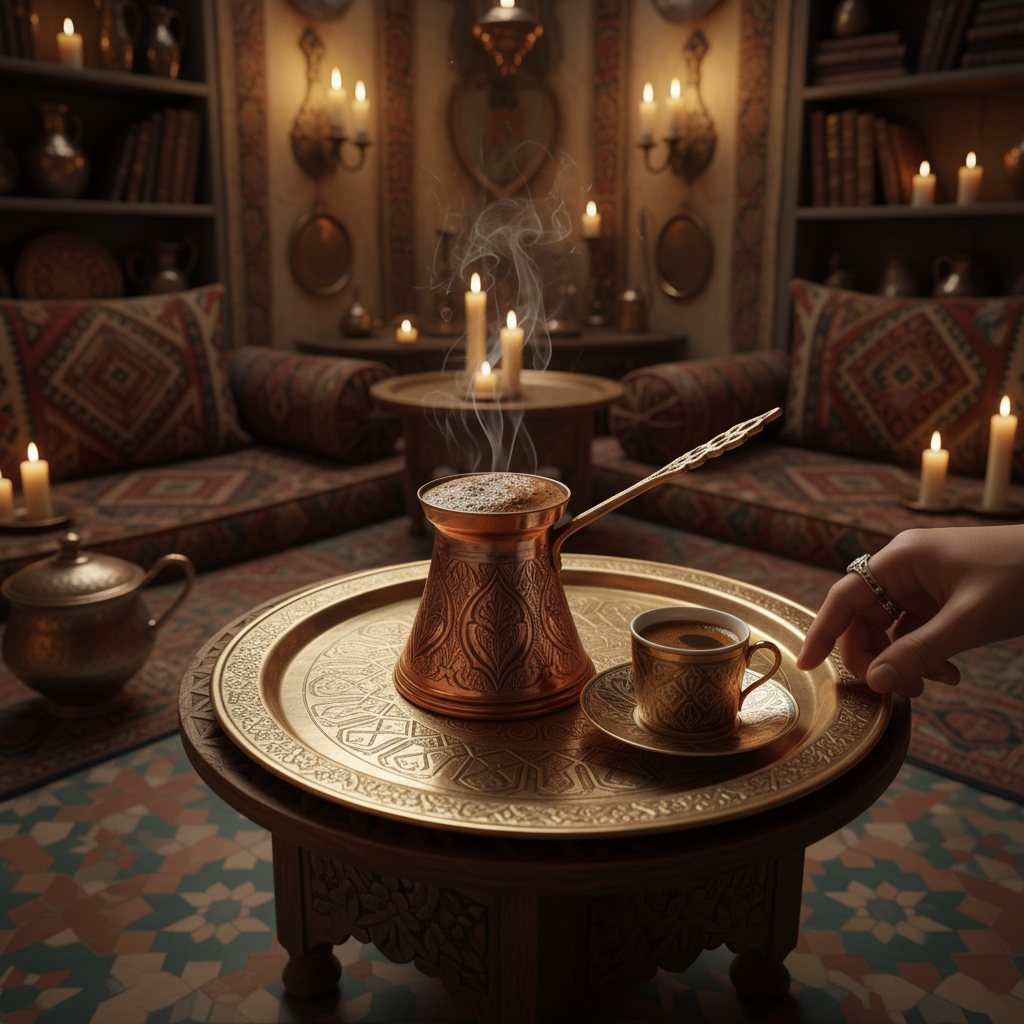
I still remember the exact moment grind size clicked for me. I was in a tiny roastery in Addis Ababa, watching an Ethiopian grandmother prepare traditional buna. She ground the beans by hand until they resembled fine powder. The result? Thick, aromatic coffee unlike anything I had brewed back home.
That experience taught me something crucial. The grind is the bridge between your beans and your cup. Get it wrong, and even the most exceptional coffee tastes flat or bitter. Get it right, and you unlock flavors you did not know existed.
This coffee grind size chart breaks down everything you need to know. Whether you are dialing in your espresso or troubleshooting a weak French press, I will walk you through the seven main grind sizes and help you match them to your brewing method.
The specialty coffee movement has made precision brewing accessible to home brewers everywhere. And understanding grind size is where that journey begins.
Why Coffee Grind Size Matters
Here is the simple truth: grind size controls how quickly water extracts flavor from your coffee. This is not complicated chemistry. It is basic physics that will transform your morning cup.
The Science of Coffee Extraction
When hot water meets ground coffee, it pulls out soluble compounds. These include acids, sugars, oils, and bitter compounds. The goal is extracting the good stuff while leaving the harsh elements behind.
According to a scientific study on coffee extraction parameters, the key variables include particle size, water temperature, contact time, and coffee-to-water ratio. Grind size affects extraction rate more directly than any other factor you control.
Here is the pattern I have noticed after cupping in over forty countries:
- Too fine = over-extraction = bitter, harsh, astringent taste
- Too coarse = under-extraction = sour, weak, watery taste
- Just right = balanced extraction = sweetness, complexity, clean finish
Surface Area and Brew Time Connection
Smaller particles mean more surface area. More surface area means water can access flavor compounds faster. This is why espresso uses fine grinds with short brew times. And why cold brew uses coarse grinds with long steep times.
Think of it like steeping tea. A whole tea leaf takes longer to release flavor than crushed leaves. Coffee works the same way.
The coffee extraction process typically targets 18-22% extraction. Above that range, you get bitter compounds. Below it, you miss the sugars and oils that make coffee satisfying.
The 7 Coffee Grind Sizes Explained
After years of brewing everywhere from Colombian mountainsides to Melbourne cafes, I have settled on seven distinct grind categories. Here is what each looks like and when to use them.
Extra Coarse Grind (1200-1600 microns)
Looks like: Peppercorns or very rough sea salt
This is the chunkiest grind you will use. The particles are distinct and separate easily. I use extra coarse exclusively for cold brew, where the 12-24 hour steep time needs protection against over-extraction.
Coarse Grind (800-1200 microns)
Looks like: Coarse sea salt
The classic French press grind. Particles feel gritty between your fingers. Coarse grounds work well for immersion brewing methods where coffee and water stay in contact for several minutes.
Medium-Coarse Grind (600-800 microns)
Looks like: Rough sand
This sweet spot works beautifully for Chemex and some pour overs. It allows proper extraction during the 4-5 minute brew window while preventing bitterness.
Medium Grind (400-600 microns)
Looks like: Regular sand or granulated sugar
The workhorse grind. Most pre-ground coffee sits in this range. It is ideal for drip coffee makers and produces consistent results across different machines.
Medium-Fine Grind (300-400 microns)
Looks like: Table salt
Pour over enthusiasts know this grind well. It is perfect for V60 and Kalita Wave brewers where controlled pouring creates even extraction. I also start here with AeroPress before adjusting.
Fine Grind (200-300 microns)
Looks like: Fine table salt or slightly coarser than flour
Espresso territory. The fine particles create resistance that builds pressure in your machine. This grind produces the concentrated shot that forms the base for lattes and cappuccinos.
Extra Fine Grind (40-200 microns)
Looks like: Flour or powdered sugar
Reserved almost exclusively for Turkish coffee and Greek coffee. The powder-fine consistency dissolves partially into the brew, creating that thick, silty texture traditional to these methods.
Coffee Grind Size Chart: Quick Reference Guide
I keep a version of this chart near my grinder. Bookmark it or print it out for easy reference while brewing.
| Grind Size | Texture | Microns | Best Methods | Brew Time |
|---|---|---|---|---|
| Extra Coarse | Peppercorns | 1200-1600 | Cold Brew | 12-24 hours |
| Coarse | Sea Salt | 800-1200 | French Press, Percolator | 4-5 minutes |
| Medium-Coarse | Rough Sand | 600-800 | Chemex, Clever Dripper | 4-5 minutes |
| Medium | Granulated Sugar | 400-600 | Drip Coffee Maker | 3-4 minutes |
| Medium-Fine | Table Salt | 300-400 | Pour Over (V60, Kalita), AeroPress | 2-3 minutes |
| Fine | Fine Salt | 200-300 | Espresso, Moka Pot | 20-30 seconds |
| Extra Fine | Flour/Powder | 40-200 | Turkish Coffee | 2-3 minutes |
Matching Grind Size to Your Brewing Method
Each brewing method was designed around specific extraction principles. Here is how to dial in your grind for the most popular methods.
Cold Brew: Extra Coarse
Cold water extracts slowly. Very slowly. That 12-24 hour steep means you need extra coarse grounds to prevent over-extraction. I learned this the hard way making cold brew in Guatemala. My first batch using medium grind tasted like battery acid.
Stick with particles the size of peppercorns. The long contact time will still extract plenty of flavor.
French Press: Coarse
French press is immersion brewing at its simplest. Coffee and water steep together for 4 minutes before you plunge. Coarse grounds prevent over-extraction and keep sludge out of your cup.
This method is forgiving for beginners. Even slightly inconsistent grinds will not ruin the batch because immersion brewing averages out extraction across all particles.
Chemex: Medium-Coarse
The thick Chemex filters slow water flow significantly. Medium-coarse grounds compensate for this resistance. You will get a 4-5 minute brew time with clean, bright coffee.
Drip Coffee Maker: Medium
Standard drip machines are calibrated for medium grind. The automated water flow and filter design assume this particle size. If your drip coffee tastes bitter, try slightly coarser. If it is weak, go finer.
Pour Over (V60, Kalita): Medium to Medium-Fine
Pour over gives you the most control. Your pour technique and grind size work together. Start at medium-fine and adjust based on your target brew time of 2:30-3:30.
Pro tip: Different single-origin coffee flavor profiles benefit from slight grind adjustments. Ethiopian naturals often shine slightly finer to highlight their fruit-forward complexity.
AeroPress: Medium-Fine (versatile range)
The AeroPress breaks all the rules. According to the official AeroPress instructions, you can use anything from medium to fine depending on your recipe. Championship baristas have won with grind sizes across the entire spectrum.
Start at medium-fine with a 1:30-2:00 brew time. Then experiment.
Espresso: Fine
Espresso demands precision. Fine grounds create the resistance needed to build 9 bars of pressure. Your target is a 25-30 second extraction for a 2:1 ratio shot.
Small grind changes make big differences here. A few clicks on your grinder can transform a sour shot into a balanced one.
Turkish Coffee: Extra Fine
Turkish coffee uses the finest grind possible. The powder dissolves partially into the brew, creating thick, intense coffee. I fell in love with this method in Istanbul, where street vendors prepare it over hot sand.
You will need a specialized grinder or purchase pre-ground Turkish coffee to achieve this consistency.
How to Adjust Your Grind Size
Your coffee is talking to you. The flavor tells you exactly what adjustments to make.
Signs Your Grind is Too Fine
- Bitter, harsh, or astringent taste
- Brew time runs too long
- Pour over water pools and drains slowly
- Espresso shot runs too slow (over 35 seconds)
- Burnt or ashy aftertaste
Fix: Go coarser, one click at a time.
Signs Your Grind is Too Coarse
- Sour, acidic, or sharp taste
- Weak, watery body
- Brew time runs too fast
- Pour over water drains immediately
- Espresso shot runs too fast (under 20 seconds)
Fix: Go finer, one click at a time.
Making Small Adjustments
Here is my process for dialing in any coffee:
- Start with the recommended grind for your method
- Brew and taste
- Identify the problem (bitter = too fine, sour = too coarse)
- Adjust by one click
- Brew again with the same parameters
- Repeat until balanced
Keep notes. Different beans need different settings. That bag from Kenya might need two clicks finer than your usual Colombian.
Grinder Types and Consistency
Your grinder matters more than your brew equipment. An inconsistent grind creates uneven extraction. Some particles over-extract while others under-extract. The result is muddy, confused coffee.
Burr Grinders vs Blade Grinders
Burr grinders crush beans between two surfaces at a fixed distance. This creates uniform particle sizes. Every piece extracts at the same rate.
Blade grinders chop beans randomly. You get dust-sized particles mixed with chunks. No amount of technique fixes the inconsistent extraction this creates.
If you are serious about coffee, invest in a burr grinder. Entry-level hand grinders produce better results than expensive blade grinders.
Why Consistency Matters
Imagine cooking rice with grains of different sizes. Some would burn while others stayed raw. Coffee works the same way. Consistent particle size means consistent extraction means balanced flavor.
The Specialty Coffee Association standards specify that 70-75% of particles should pass through an 850-micron sieve for cupping. This precision matters because it ensures reproducible results.
Common Grind Size Mistakes (And How to Fix Them)
I have made every mistake on this list. Learn from my embarrassing moments.
Using pre-ground for the wrong method. Pre-ground coffee is usually medium grind. Using it in a French press leads to over-extraction. Using it in espresso clogs your machine. Match your pre-ground to your brewer, or grind fresh.
Not adjusting for coffee freshness. Fresh-roasted coffee releases more CO2, which can slow extraction. You might need slightly coarser grinds for beans within two weeks of roasting. Older beans can go slightly finer.
Ignoring grinder calibration. Grinder settings drift over time. Setting 15 today might not match Setting 15 from six months ago. Trust your taste, not the numbers.
Using a blade grinder and expecting consistency. I still see people pulse their blade grinder and shake it, hoping for even grounds. It does not work. Blade grinders cannot produce the consistency needed for good coffee.
Not experimenting within the range. The recommended grind is a starting point. Your water, your beans, and your technique all affect optimal grind size. Do not be afraid to adjust.
Pro Tips from Years of Brewing Around the World
After cupping directly at farms across three continents, I have picked up some insights you will not find in standard guides.
Origin affects grind adjustments. Beans from high-altitude farms like those in Ethiopia or Colombia are denser. They often benefit from slightly finer grinds. Low-altitude beans from places like Brazil may need coarser settings.
Processing method matters. Natural (dry-processed) coffees have more body and fruit notes. I find they often shine at slightly finer grinds for pour over. Washed coffees with brighter acidity sometimes benefit from slightly coarser grinds to smooth out tartness.
Keep a brewing journal. Write down your grind setting, dose, brew time, and tasting notes. After a few bags, you will develop intuition for dialing in new coffees quickly.
Taste the extremes. Deliberately brew one cup too fine and one too coarse. This calibrates your palate to recognize over and under-extraction. Then you will know exactly what you are tasting when something is off.
Ready to put this knowledge into practice? Browse our specialty coffee selection and start experimenting with properly dialed-in grind sizes. The difference in your cup will be immediate.
Once you master grind size, the entire world of specialty coffee opens up. You will taste nuances you never noticed before. And you will finally understand why that grandmother in Addis Ababa ground her beans to powder with such intention.
Happy brewing.