I’ve spent the better part of a decade chasing coffee around the globe, and I can tell you this: the world’s best coffee cities aren’t just about the beans. They’re about the ritual, the culture, the way a city breathes coffee into its identity. From Melbourne’s laneway cafés to Tokyo’s quietly obsessive kissaten, each destination tells a different story about what coffee means to a community.
Coffee tourism is exploding right now—the sector is projected to grow from $0.6 billion in 2025 to $1.1 billion by 2032, driven by travelers like us who seek authentic, immersive experiences beyond the usual tourist traps. Whether you’re a specialty coffee nerd or simply someone who appreciates a damn good cup, these cities deserve a spot on your travel bucket list.
Melbourne, Australia: Where Coffee Became an Art Form
Melbourne didn’t just adopt coffee culture—it perfected it. I remember my first morning in the city, wandering down a narrow laneway in the CBD, following the scent of freshly pulled espresso. What I found was a tiny café with no sign, just a window and a queue of locals who knew exactly what they were getting.
This city takes coffee seriously. Melbourne’s obsession began with post-WWII Greek and Italian migrants who brought espresso machines and cafe culture in the 1950s. Pellegrini’s Espresso Bar, which opened in 1954, is still serving espresso the old-school way. But Melbourne didn’t stop there—it evolved, innovated, and ultimately became the birthplace of the modern flat white.
The flat white debate is legendary. Both Australia and New Zealand claim its invention, but Sydney cafe owner Alan Preston has the strongest documented evidence—his menu at Moors Espresso Bar in 1985 featured the exact phrase “flat white.” Regardless of who invented it, Melbourne perfected it, and now you’ll find this silky, microfoam masterpiece in specialty shops from San Francisco to Seoul.
What makes Melbourne special isn’t just the quality—though it’s exceptional—it’s the accessibility. You can stumble into a random laneway café and find meticulously sourced single-origin coffee prepared by baristas who genuinely care about extraction time and water temperature. The coffee culture here is democratic, not elitist.
Tokyo, Japan: The Quiet Perfection of Kissaten
If Melbourne’s coffee culture is vibrant and outward, Tokyo’s is contemplative and precise. The city has two parallel coffee worlds: the traditional kissaten and the modern third-wave specialty cafés. Both are worth your time, but it’s the kissaten that captured my heart.
Kissaten—literally “tea-drinking shops”—emerged in the 1920s as sophisticated, quieter alternatives to noisy alcohol-serving cafés. Walking into one feels like stepping back into the Shōwa era (1926-1989). The lighting is warm and sepia-toned, the furniture is dark wood worn smooth by decades of use, and the air smells like carefully hand-dripped coffee.
I spent an entire afternoon at a basement kissaten in Asakusa, watching the master measure beans to the gram, heat water to the exact temperature, and pour with movements so studied they felt meditative. The result? Coffee that was worth every second of that careful preparation. This isn’t coffee you grab on the go—it’s coffee you sit with, savor, and contemplate.
Tokyo’s influence on global coffee culture is profound. Japan played a crucial role in accelerating the third-wave movement, particularly through perfecting pour-over techniques that have become standard in specialty shops worldwide. The attention to detail, the ritual, the respect for the craft—that’s all very Japanese, and it’s everywhere in specialty coffee now.
What I love about Tokyo is the coexistence. You can experience a century-old kissaten in the morning and a cutting-edge specialty café in the afternoon, and both will serve you phenomenal coffee with very different philosophies.
Vienna, Austria: Where Coffee is Cultural Heritage
Vienna’s coffee culture is so significant that UNESCO recognized it as intangible cultural heritage in 2011. That’s not just tourism marketing—that’s acknowledgment of something genuinely important to human culture.
Viennese coffeehouses invented a particular kind of social space: somewhere between a home and a public square, where you can order a single coffee and stay for hours reading newspapers, writing, arguing about philosophy, or simply watching the world pass by. The coffeehouse isn’t just about caffeine—it’s about community, conversation, and contemplation.
I spent a rainy November afternoon at Café Central, one of Vienna’s grand historic coffeehouses. The vaulted ceilings, marble columns, and elderly waiters in black vests created an atmosphere that felt both elegant and comfortable. I ordered a melange—Vienna’s answer to a cappuccino—and settled in with a book. Three hours later, no one had rushed me, given me a sideways glance, or suggested I might want to free up the table.
That’s the Viennese way. Coffee here isn’t transactional; it’s relational. The ritual matters more than the speed, and the space is as important as the beverage. While specialty coffee has made inroads in Vienna, the traditional coffeehouse culture remains strong, offering something the third wave often misses: a sense of timelessness.
Copenhagen, Denmark: Sustainability Meets Specialty
Copenhagen’s coffee scene reflects everything Denmark does well: design, sustainability, and quality without pretension. The Coffee Collective, one of the city’s pioneering roasters, exemplifies this approach—they source directly from farmers, roast lighter than most European traditions, and focus on transparency throughout the supply chain.
I visited their Jaegersborggade location on a crisp autumn morning. The space was minimalist in that distinctly Scandinavian way—clean lines, natural light, and absolutely nothing unnecessary. The barista explained the origin of each coffee option with genuine enthusiasm, not condescension. I chose an Ethiopian natural process, brewed as a pour-over.
What struck me about Copenhagen was the consistency. Every café I visited—from tiny neighborhood spots to larger establishments—demonstrated a baseline level of quality and knowledge that would make them destination cafés in other cities. The Danes have democratized specialty coffee in a way few places have managed.
The city’s commitment to sustainability and ethical sourcing isn’t performative—it’s baked into the culture. Direct trade relationships, compostable packaging, and seasonal menus aren’t marketing gimmicks here; they’re expectations.
Lisbon, Portugal: Old World Charm Meets New Wave Energy
Lisbon surprised me. I expected good espresso—this is southern Europe, after all—but I didn’t expect the vibrant specialty coffee scene that’s emerged alongside the traditional Portuguese café culture.
The old-school bicas (Portuguese espresso) served in traditional tiled cafés are still everywhere, and they’re still wonderful. But wander into neighborhoods like Príncipe Real or Santos, and you’ll find third-wave shops experimenting with filter coffee, alternative milk, and beans from Ethiopia, Colombia, and beyond.
What makes Lisbon special is the blend. At Fábrica Coffee Roasters, I watched locals order both traditional galão (similar to a latte) and meticulously prepared V60 pour-overs. The old and new coexist without tension, creating a coffee culture that honors tradition while embracing innovation.
The city’s pace encourages you to slow down. Unlike the grab-and-go culture of many coffee cities, Lisbon invites you to sit, to watch the light change on the Tagus River, to have a second pastéis de nata with your coffee. It’s a reminder that coffee culture isn’t just about the quality of the beans—it’s about the quality of the moment.
Seattle, USA: The City That Started a Revolution
You can’t talk about global coffee cities without acknowledging Seattle. This is where Starbucks started in 1971, transforming American coffee culture and, eventually, influencing coffee consumption worldwide. But Seattle’s contribution goes far beyond one chain.
The city became ground zero for America’s specialty coffee movement. While Starbucks was scaling up, smaller roasters like Espresso Vivace, Café Allegro, and later Stumptown (which moved from Portland but found a second home here) were pioneering direct trade relationships, lighter roasts, and meticulous brewing standards that would define third-wave coffee.
Walking through Capitol Hill or Ballard today, you’ll find more excellent coffee shops per square mile than almost anywhere else in the country. The baristas here didn’t just learn coffee—many of them trained the people who trained the next generation of specialty coffee professionals worldwide.
Seattle also perfected the coffee roaster tour experience. Many roasteries offer tastings, brewing classes, and behind-the-scenes looks at the roasting process. It’s coffee tourism before coffee tourism was a recognized sector.
Rome, Italy: The Espresso Standard
Rome doesn’t do specialty coffee the way Melbourne or Copenhagen does. Rome does espresso, and it does it with such consistency and cultural authority that it defined the standard for the rest of the world.
The Roman coffee ritual is specific: you walk into a bar (what Italians call a café), stand at the counter, order an espresso, drink it in two or three sips while possibly chatting with the barista or reading the paper, and then you leave. The whole transaction takes maybe three minutes. You don’t sit unless you want to pay triple, and you definitely don’t order a cappuccino after 11 a.m.
I learned this the hard way on my first trip. I sat down with a cappuccino at 3 p.m., and the waiter gave me a look that somehow conveyed both pity and disapproval. Cappuccino is a breakfast drink—milk is too heavy for the afternoon. Espresso, however, is appropriate anytime.
What Rome teaches you is simplicity. A perfect espresso doesn’t need flavoring, alternative milk, or an elaborate extraction method. It needs good beans, proper grinding, the right pressure, and a skilled hand. That’s it. Every neighborhood bar in Rome serves espresso that would be considered exceptional in most other cities—because this is the baseline, not the exception.
For coffee purists, Rome is a pilgrimage. This is where espresso culture was perfected, and drinking a properly pulled shot at Sant’Eustachio Il Caffè or Tazza d’Oro feels like experiencing the platonic ideal of the form.
San Francisco, USA: Innovation and Experimentation
If Seattle was the birthplace of American specialty coffee, San Francisco was the laboratory where the movement evolved. Blue Bottle, Ritual Coffee Roasters, Sightglass—these roasters didn’t just serve good coffee; they reimagined what American coffee culture could be.
Blue Bottle’s original location in a Hayes Valley garage was barely bigger than a closet, but the coffee was revelatory. Founder James Freeman’s obsession with freshness—refusing to sell beans more than 48 hours off roast—forced the industry to reconsider what “fresh” meant.
The Bay Area’s tech culture influenced its coffee culture in interesting ways. The same people who optimize algorithms and user experiences applied that mindset to coffee—measuring every variable, testing different approaches, documenting results. Sometimes this led to coffee that was technically perfect but soulless. But at its best, it pushed the boundaries of what was possible.
San Francisco also embraced coffee as a design object. The cafés here aren’t just places to get caffeine; they’re carefully curated spaces where every element—from the furniture to the ceramics to the music—contributes to the overall experience. Some might call it pretentious. I call it taking coffee seriously.
Bogotá, Colombia: At the Heart of Coffee Country
Colombia produces some of the world’s finest coffee, but for decades, most of it was exported. The good stuff went to Europe and North America, while Colombians drank tinto—cheap, over-extracted coffee served in tiny cups.
That’s changing. Bogotá has developed a specialty coffee scene that celebrates Colombian coffee in all its complexity. Cafés like Azahar and Varietale are showcasing single-origin beans from different regions—Huila, Nariño, Antioquia—each with distinct flavor profiles shaped by altitude, processing method, and microclimate.
What’s powerful about Bogotá’s coffee culture is the connection to origin. You can visit a specialty café in the morning and take a day trip to a coffee farm in the afternoon. The baristas often have personal relationships with the farmers who grew the beans they’re brewing. This isn’t abstract origin storytelling—it’s tangible, lived connection.
I visited Hacienda Venecia, a working coffee farm a few hours from Bogotá, and spent the day picking coffee cherries, watching the processing, and tasting the difference between washed and natural processing from the same farm. That evening, back in the city, I ordered those same beans at a specialty café. The circle was complete in a way that’s impossible in non-producing countries.
Taipei, Taiwan: Where Tradition Meets Innovation
Taipei’s coffee scene is wonderfully eclectic, blending Japanese kissaten influences, American third-wave aesthetics, and uniquely Taiwanese innovation. The result is a coffee culture that feels both familiar and distinctly different.
Taiwanese cafés often incorporate tea culture into their coffee service—the same precision, the same attention to water temperature and timing, the same respect for the ingredient. At Simple Kaffa, owned by world barista champion Berg Wu, I watched this fusion in action: coffee prepared with the meticulousness of a tea ceremony, but with techniques from the global specialty coffee playbook.
Taipei also pioneered some of the most Instagram-worthy coffee presentations (yes, I know how that sounds, but hear me out). The aesthetic attention to detail in Taiwanese cafés isn’t just about social media—it’s about honoring the drink by presenting it beautifully. Form and function aren’t opposed here; they’re complementary.
What surprised me most was the willingness to experiment. Cafés in Taipei regularly play with unusual processing methods, alternative brewing devices, and flavor combinations that would seem risky in more conservative coffee cultures. Sometimes it works brilliantly; sometimes it doesn’t. But the creative energy is infectious.
Planning Your Coffee Tourism Journey
If you’re planning to visit these coffee cities, here are a few things I’ve learned from years of coffee-focused travel:
Do your research, but stay flexible. I always arrive with a list of must-visit cafés, but some of my best discoveries have been random neighborhood spots I stumbled into. Leave room for serendipity.
Talk to the baristas. They’re usually passionate about coffee and love sharing recommendations—not just for other cafés, but for the whole city. Some of my best travel tips have come from coffee professionals.
Consider the season. Many specialty roasters feature seasonal menus based on harvest schedules. Visiting during certain times of year means access to specific origins and processing methods. Follow roasters on social media before your trip to see what’s currently on offer.
Bring beans home. Most roasters will sell you whole beans to take with you. I always pack a bag from each city I visit—it’s a delicious souvenir and a way to extend the experience once you’re home.
Respect local coffee culture. In Rome, drink your espresso at the bar. In Vienna, don’t rush through your coffeehouse visit. In Tokyo, be patient with the preparation time. Coffee culture isn’t just about the beverage—it’s about the ritual and social norms surrounding it.
Beyond the Coffee: What These Cities Teach Us
After visiting dozens of coffee cities worldwide, I’ve realized that the best ones share certain qualities beyond just serving excellent coffee. They have communities of people who care deeply about the craft. They balance tradition with innovation. They create spaces—both physical and cultural—where coffee becomes more than a transaction.
Melbourne taught me that coffee can be both serious and accessible. Tokyo showed me the power of ritual and precision. Vienna reminded me that coffee culture can be protected and valued as cultural heritage. Copenhagen demonstrated that sustainability and quality aren’t opposed. And Lisbon proved that old and new can coexist beautifully.
These cities also reflect broader values. Sustainable sourcing, direct trade relationships, and transparent supply chains aren’t just buzzwords in the specialty coffee world—they’re commitments that ripple through communities in coffee-producing regions. When you drink excellent coffee in these cities, you’re participating in a global network that, at its best, supports farmers, honors craftsmanship, and celebrates cultural exchange.
The Future of Coffee Cities
Coffee tourism is growing rapidly—8% annually according to recent data—and new coffee destinations are emerging. Cities like Mexico City, Tel Aviv, and Auckland are developing specialty scenes that rival the established coffee capitals. Even cities you wouldn’t expect, like Oslo and Prague, have become quiet coffee powerhouses.
What excites me most is the democratization of coffee knowledge. Twenty years ago, finding exceptional coffee required insider knowledge and often significant expense. Today, thanks to the global exchange of ideas and techniques, you can find carefully sourced, expertly prepared coffee in cities worldwide—not just the traditional coffee capitals.
That said, there’s something irreplaceable about visiting these established coffee cities. They have depth of culture, density of quality options, and communities of coffee professionals who push each other to improve. A weekend in Melbourne, Tokyo, or Copenhagen will expose you to more excellent coffee, more innovation, and more perspectives on coffee culture than months in most other places.
Start Planning Your Coffee Journey
The world’s best coffee cities offer more than just great beverages—they offer windows into different cultures, philosophies, and ways of approaching craft and community. Whether you’re a dedicated coffee professional or simply someone who appreciates a perfect cup, these destinations will deepen your appreciation for what coffee can be.
My advice? Pick one city from this list that speaks to you, book a ticket, and plan your days around coffee. Visit the famous spots, but also explore neighborhood cafés. Talk to baristas. Try brewing methods you’ve never experienced. Buy beans to bring home. And most importantly, slow down enough to actually taste, smell, and appreciate what’s in your cup.
Because that’s what the best coffee cities teach us: coffee isn’t just about caffeine or flavor profiles or Instagram-worthy latte art. It’s about connection—to place, to people, to craft, and to the simple pleasure of a well-made cup shared in good company.
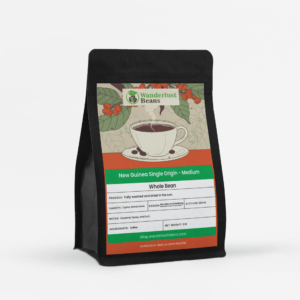
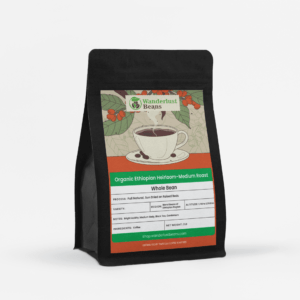
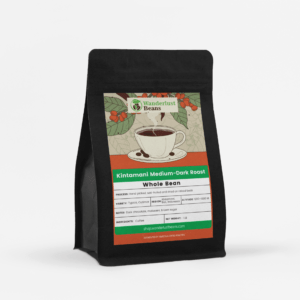
If you’re inspired to explore coffee at home while planning your next adventure, check out our collection of single-origin coffees from around the world. Each bag tells its own story of origin, terroir, and the dedicated farmers who made it possible. It’s not quite the same as sipping espresso in a Roman café or watching a kissaten master hand-drip your morning brew, but it’s a pretty delicious place to start.